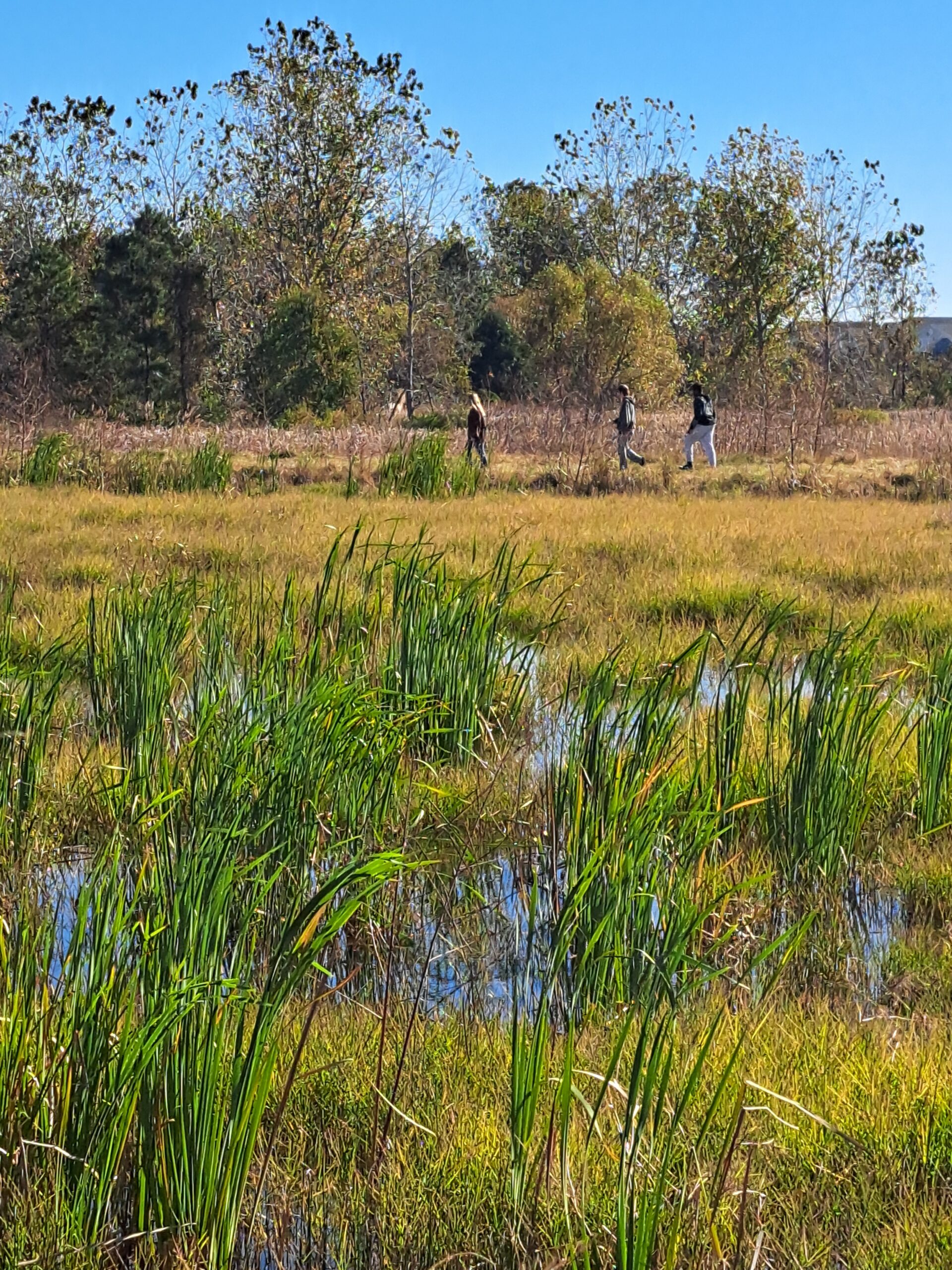
In 2023, Coastal High School, a small charter school in Myrtle Beach, set out to find a new home. The school identified four acres suitable for construction and moved forward with the purchase. What they did not expect was that the property also included a 100-acre preserve, formerly known as Tupelo Grove, already protected under conservation easement with North American Land Trust (NALT) since 2017.
For years, NALT had managed the preserve as public open space, restoring native warm-season grass prairies, enhancing wetlands, and steadily improving habitat across the property. What began as a real estate transaction quickly revealed itself as something far more powerful: a once-in-a-generation educational opportunity.
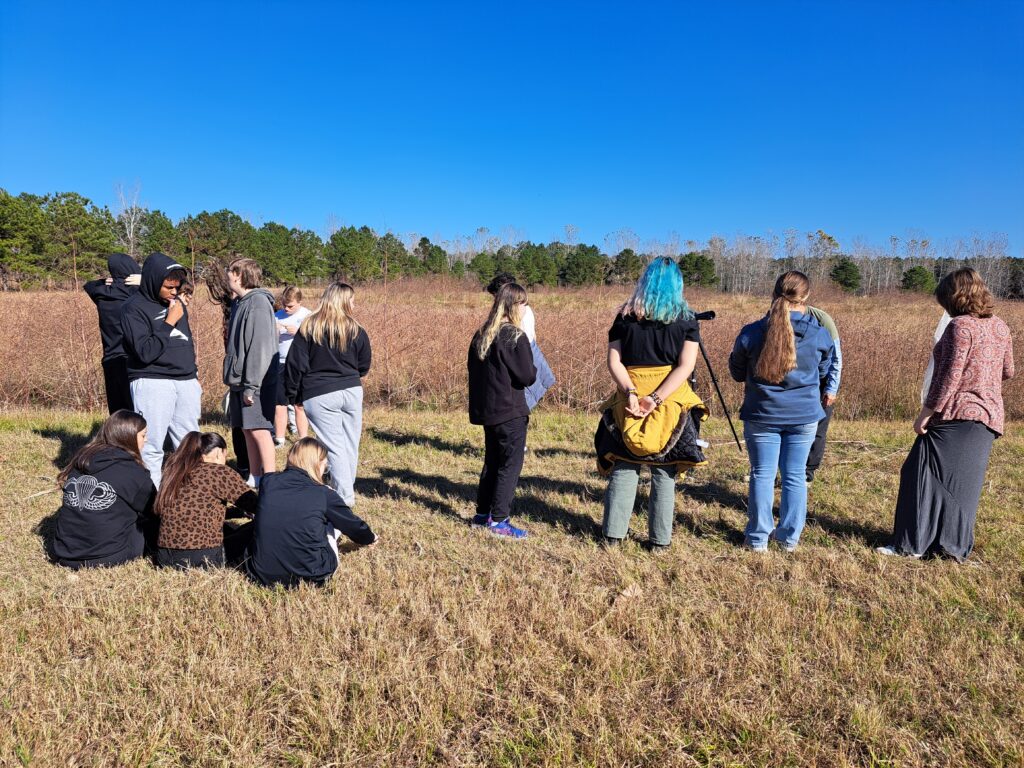
Both the school and NALT recognized the potential immediately. Together, they envisioned a partnership that would bring the inside out and the outside in, transforming the preserve into a living classroom where curriculum-based standards could be met through real-world experiences just steps from the school doors.
Building a Nature-Based Education Model
Since the acquisition, Patty Kennedy, Director of Engagement for NALT, has worked closely with the school’s principal and environmental science teacher, Ashley Salsberry, now also serving as preserve manager, to design and implement a nature-based learning initiative integrated across disciplines.
The concept was simple but transformative. Create a monthly preserve theme and weave it into every classroom — not just science, but art, language arts, reading, engineering, and even fashion and design.
Monthly Themes Included:
- September – Birds
- October – Bats
- November – Fall Foliage
- December – Dark Night Sky / Winter Solstice
- January – Finals & Winter Reset
- February – Furbearers
- March & April – Blooming Plants & Pollinators
For each month, NALT developed curriculum-aligned lesson materials tailored for multiple subject areas. Teachers incorporated activities into their coursework, ensuring that the preserve became a cross-disciplinary anchor rather than a stand-alone science project.
Each theme was also anchored by a school-wide speaker or experiential program:
• The Center for Birds of Prey conducted live raptor flight demonstrations.
• The South Carolina Department of Natural Resources shared insights into bat rehabilitation and species recovery efforts.
• Additional experts supported student-led monthly explorations.
The result has been overwhelming engagement, not only from students, but from faculty who have embraced the integration of land-based learning into everyday instruction.
Managing the Preserve as a Living Laboratory
Beyond classroom learning, the partnership extends into active land stewardship.
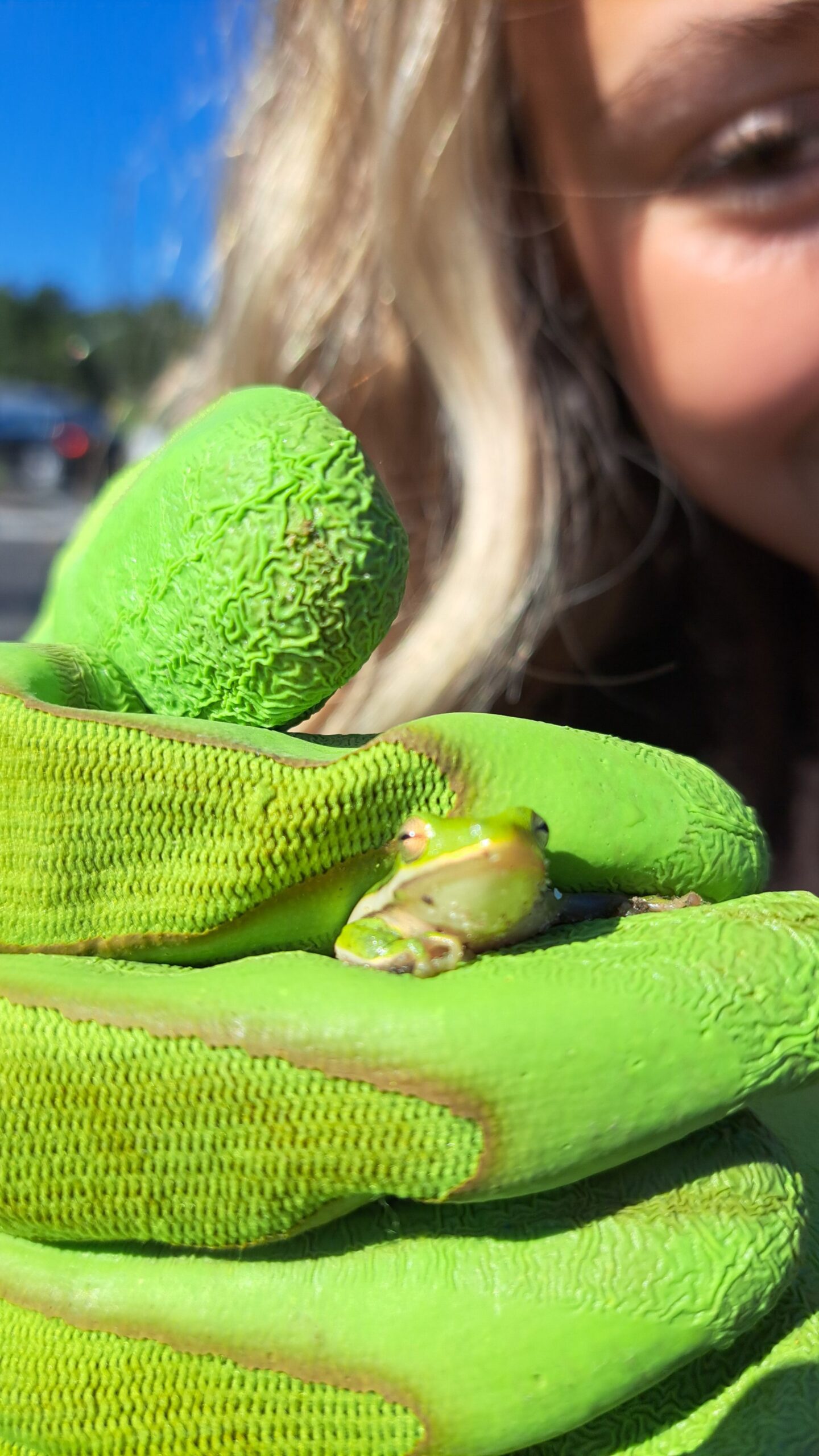
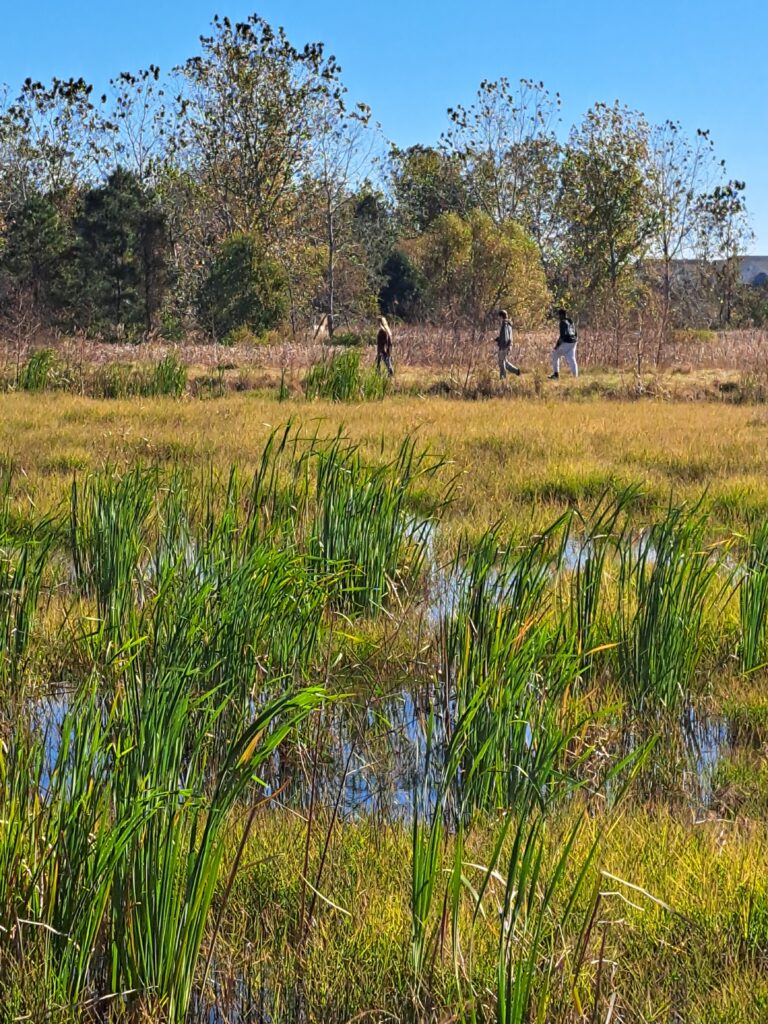
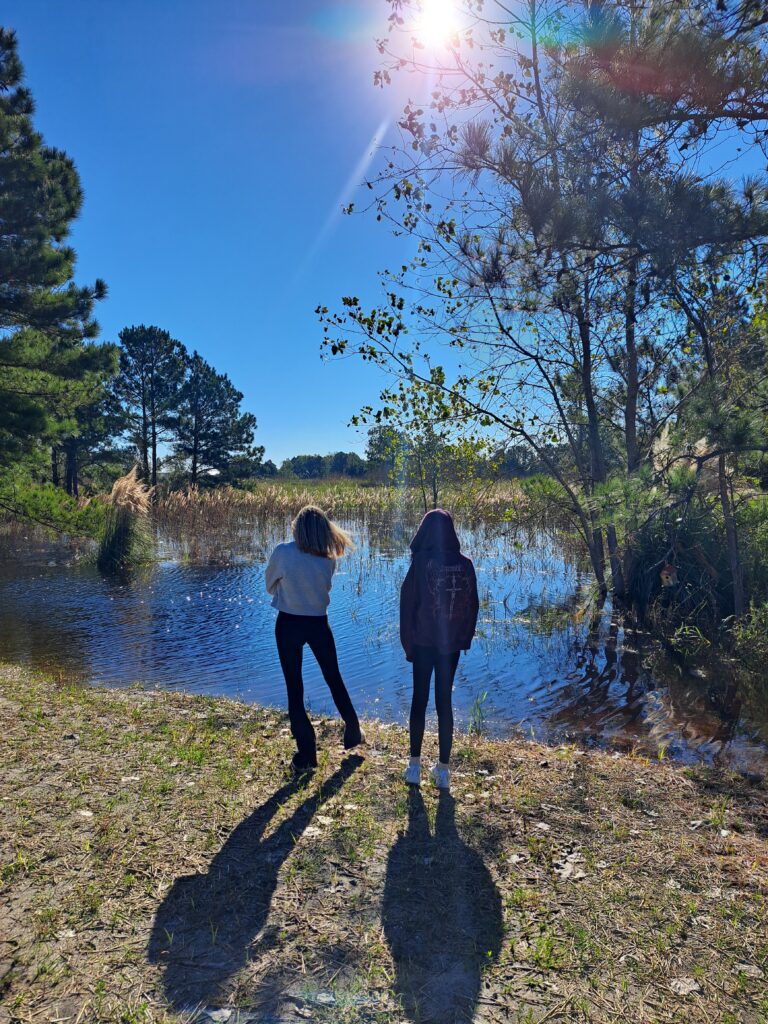
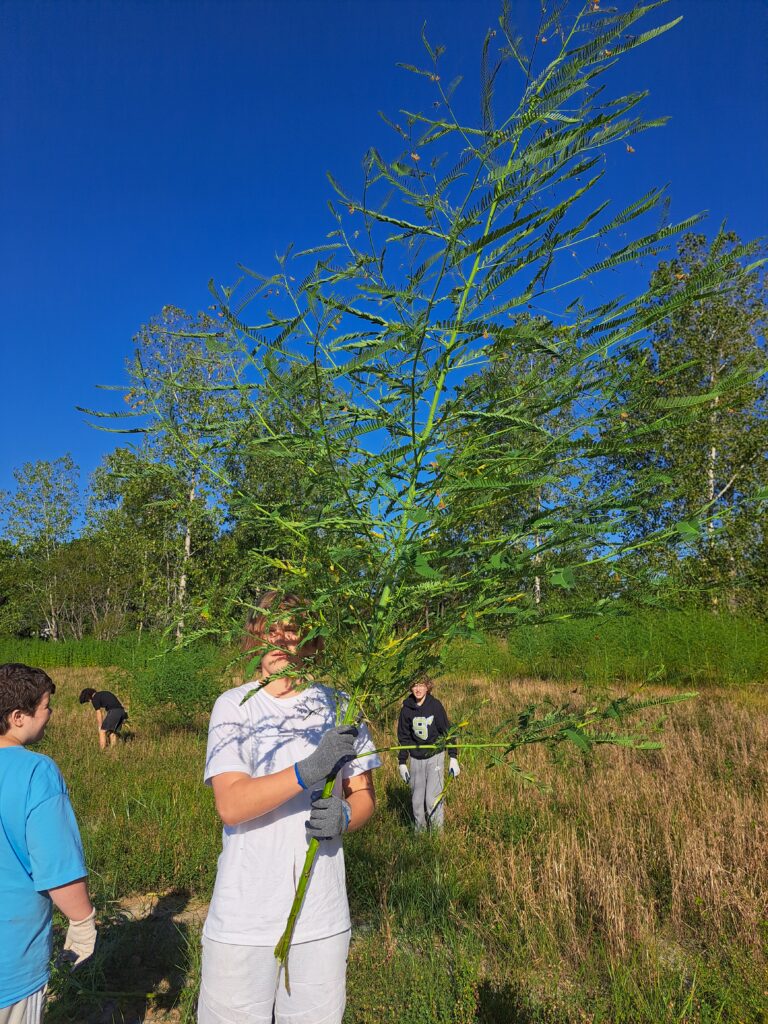
Ashley Salsberry brings students into the preserve almost daily, weather permitting. Their hands-on activities include:
- Removing invasive plant species
- Monitoring beaver impacts on trees
- Maintaining and cleaning trails
- Observing seasonal ecological change
Simultaneously, NALT and the school are collaborating on formal management plans to ensure long-term ecological health and thoughtful public access.
Expanding Outdoor Athletics & Student Experience
The preserve has also reshaped the school’s athletic vision. Coastal High School has begun developing alternative, nature-based sports opportunities, including:
- Its first archery field
- A nature-based disc golf course
- Enhanced trails to support a competitive cross-country program
These additions further integrate physical activity with environmental appreciation, reinforcing the school’s distinctive identity.
A Model for the Future
This partnership provides a meaningful differentiator for Coastal High School, but it also represents something larger.
For NALT, the opportunity is profound: to directly connect conservation outcomes with youth education, embedding ecological literacy into students’ everyday lives.
What began as an unexpected discovery, a school nestled inside a protected wilderness preserve, has become a powerful example of how land conservation and education can intersect to create lasting impact.
When protected land is placed in the hands of engaged educators and curious students, conservation becomes more than policy or protection, it becomes lived experience.
authored by NALT Director of Engagement, Patty Kennedy