authored by Wyatt Moyer
At North American Land Trust (NALT), conservation doesn’t end when a Conservation Easement is recorded. Rather, that moment marks the beginning of a long-term commitment between NALT and the landowner, one focused on safeguarding conservation values while supporting those who actively steward the land. Conservation easement monitoring is a core and ongoing responsibility of the land trust, ensuring protected resources remain intact in perpetuity while reinforcing partnerships with the landowners who care for them.
Monitoring visits demand extensive desktop preparation supported by modern tools and a consistent, replicable planning process. This pre-monitoring work includes a review of both current and historical aerial imagery, analysis of the conservation easement and baseline documentation, evaluation of previous monitoring reports, confirmation of property ownership, and finally, landowner outreach. Thorough preparation ensures that each visit is productive and that land trust staff arrive fully informed and prepared to uphold NALT’s stewardship commitments. After landowner coordination is complete, attention turns to vehicle readiness and the development of a carefully planned travel itinerary. With logistics finalized, it is time to choose field gear. Field gear greatly varies depending on geography and the enduring environmental factors to ensure comfort and safety in the field.
A frequent topic of discussion with landowners is concern over the gradual degradation of their conservation area as environmental stressors such as drought, flooding, windstorms, disease, and invasive species interact and intensify. These conversations provide valuable opportunities for NALT’s stewardship staff to address questions, share observations and, when appropriate, offer technical guidance on best management practices that support conservation goals while allowing continued, sustainable land use in an ever-changing natural environment.

In late September of 2025, I departed NALT headquarters in Chadds Ford, Pennsylvania, embarking on a 1,700-mile journey across Maryland, West Virginia, and Ohio. While the landscapes changed with every mile, the purpose remained constant: verifying that conservation values were upheld, documenting current site conditions, and engaging with landowners as perpetual partners in conservation.
This journey began on Maryland’s Eastern Shore, where tidal marshes, pine forests, and agricultural fields are intricately woven into diverse and ecologically significant landscapes. These habitats are known support species such as the Delmarva Fox Squirrel, once endangered, are now thriving due to sustained conservation efforts. NALT conserves nearly 1,400 acres across the state of Maryland, with most of the conservation easements distributed throughout the Eastern Shore. Monitoring visits included in-depth meetings with landowners to address questions, strengthen relationships, and document on-the-ground conditions to ensure conservation values continue to be protected.

Leaving the coast, the route carried west through central and western Maryland, where rolling farmland transitions into forested ridgelines and cold, clear headwater streams. In this region, many conservation easements safeguard working farms and the forested waterways that sustain them, illustrating how conservation and productivity coexist on the land.
Crossing into West Virginia, where NALT conserves more than 120 acres, the landscape opens into expansive wooded hills and winding rivers that underscore the scale and significance of protected working lands.
Monitoring in these settings calls for thoughtful navigation, careful documentation, and a close eye on core conservation values, including water quality, wildlife habitat, and the preservation of open space.
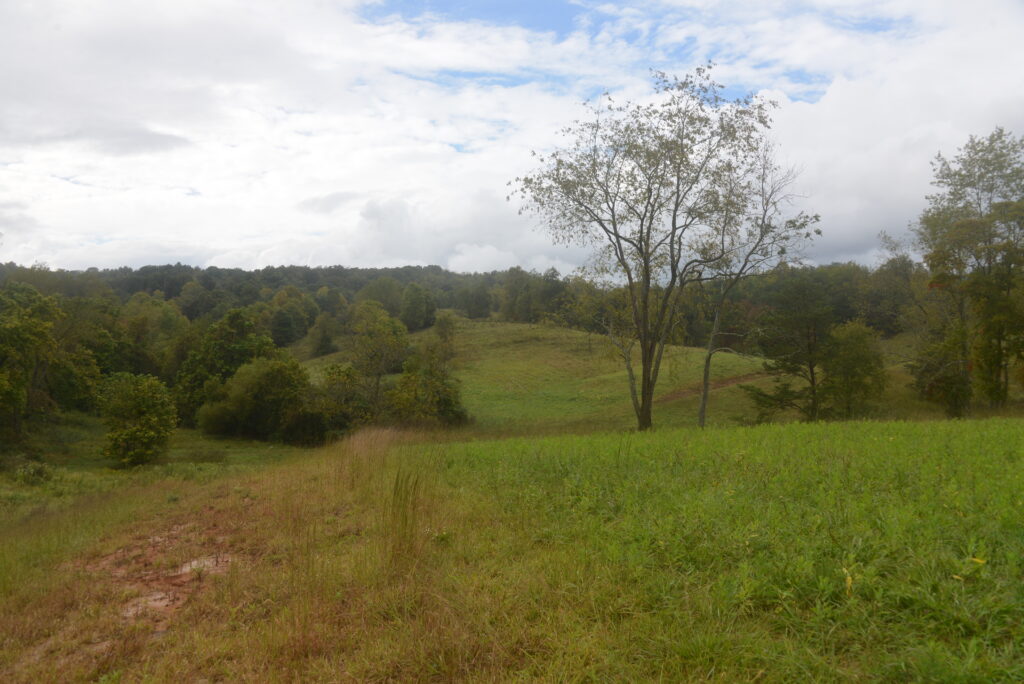
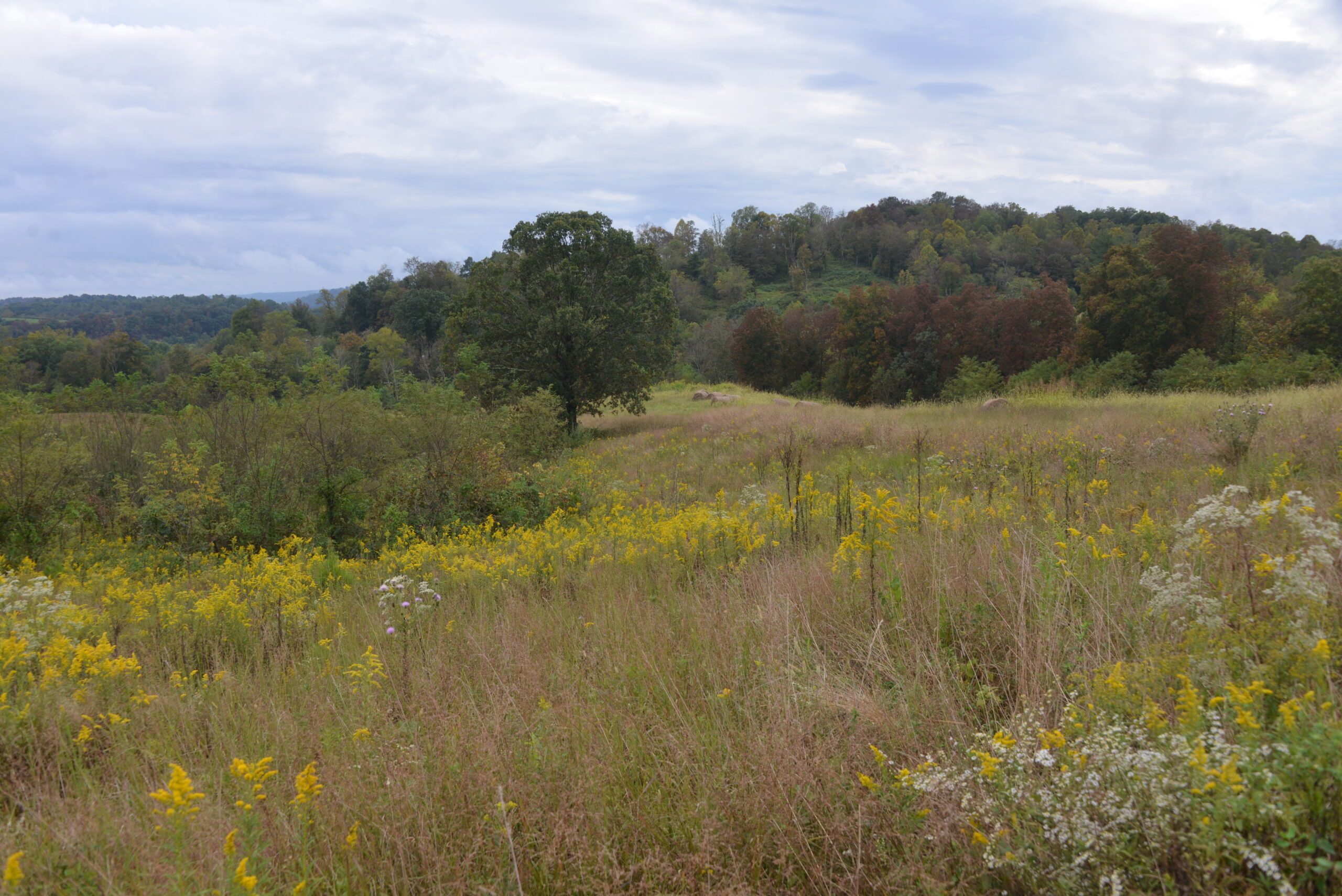
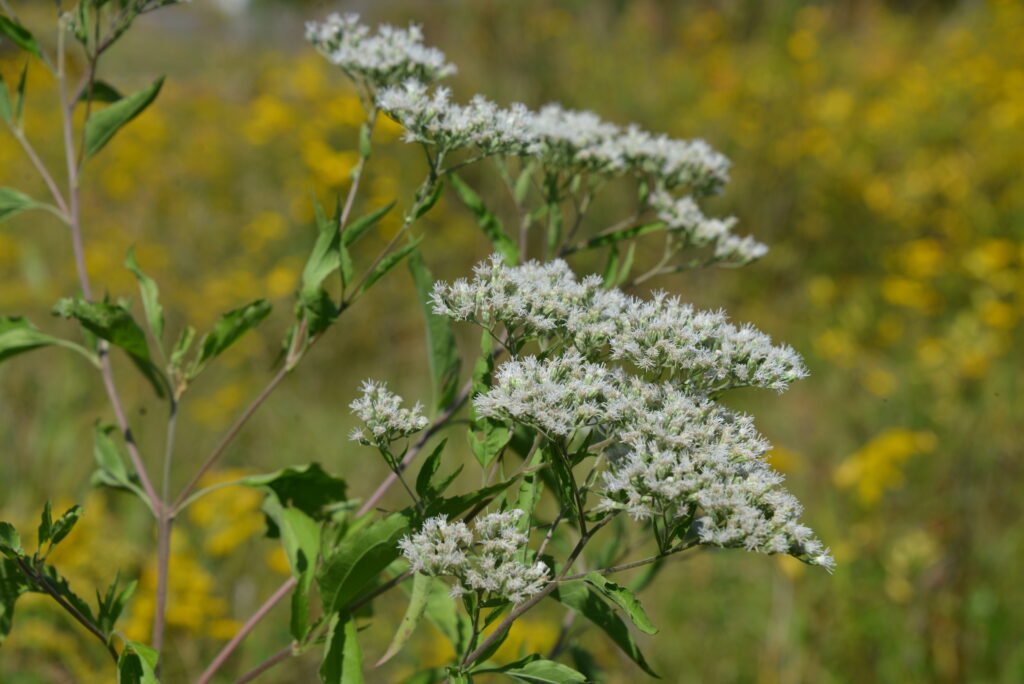
The journey concluded in Ohio, where expansive open fields and autumn hues framed the final monitoring visits across more than 150 acres of conserved land. One highlight was encountering a recently established pollinator meadow, planted by the landowners to support biodiversity and serving as a tangible example of thoughtful, sustainable land management.
After dozens of easements monitored and hundreds of miles traveled, one message was clear: conservation is a shared responsibility that extends across state boundaries, county lines, watersheds and generations. Conservation easement monitoring is a collaborative effort grounded in communication, trust, and mutual respect. Through this work, North American Land Trust ensures that conservation is not only permanent in principle, but active in practice. Stewardship is how we honor our commitments today and for generations to come.
authored by Wyatt Moyer, NALT Conservation Projects Manager