authored by Laura Sylvester
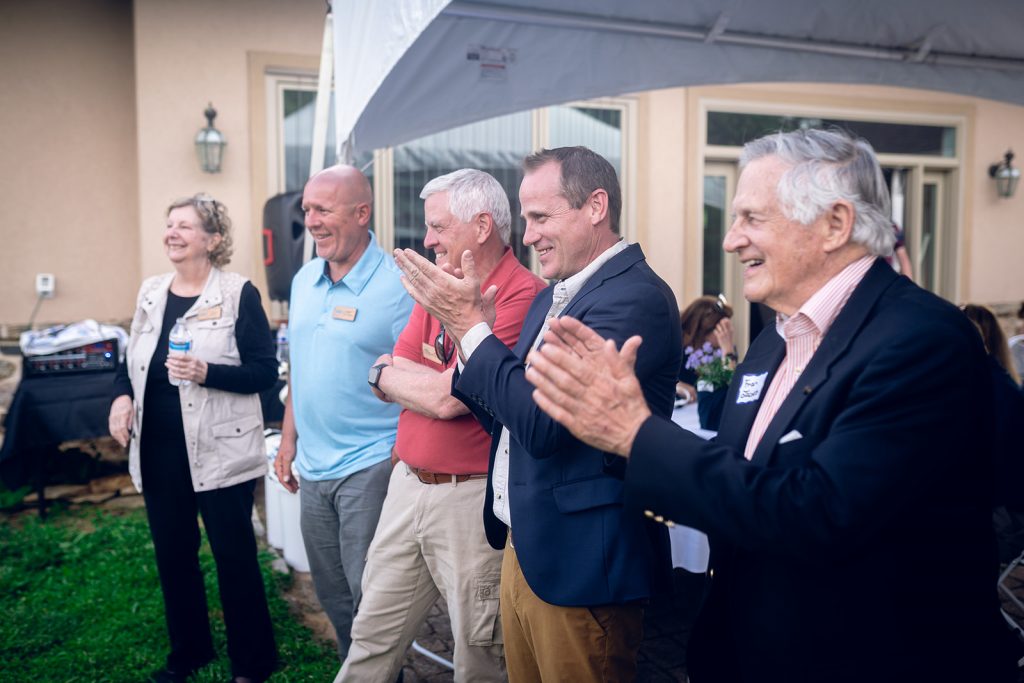
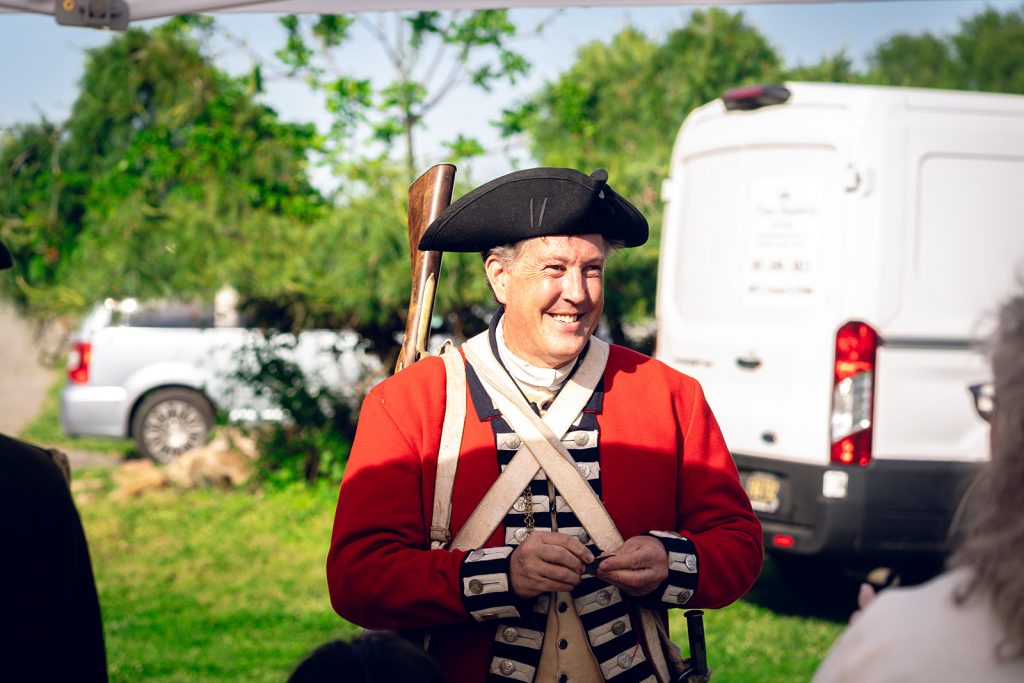
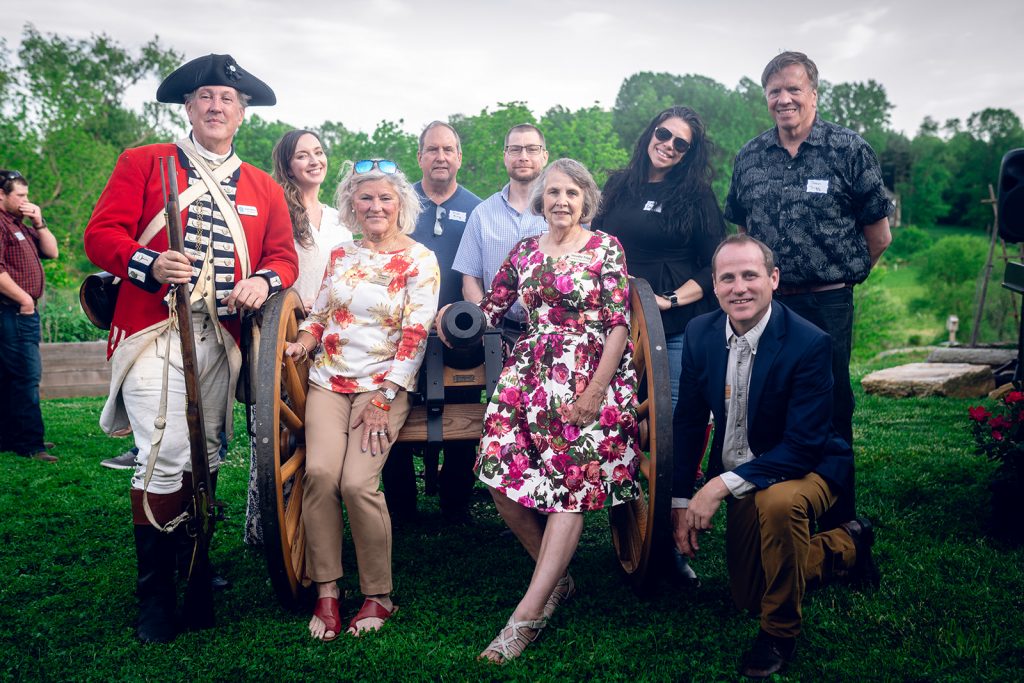
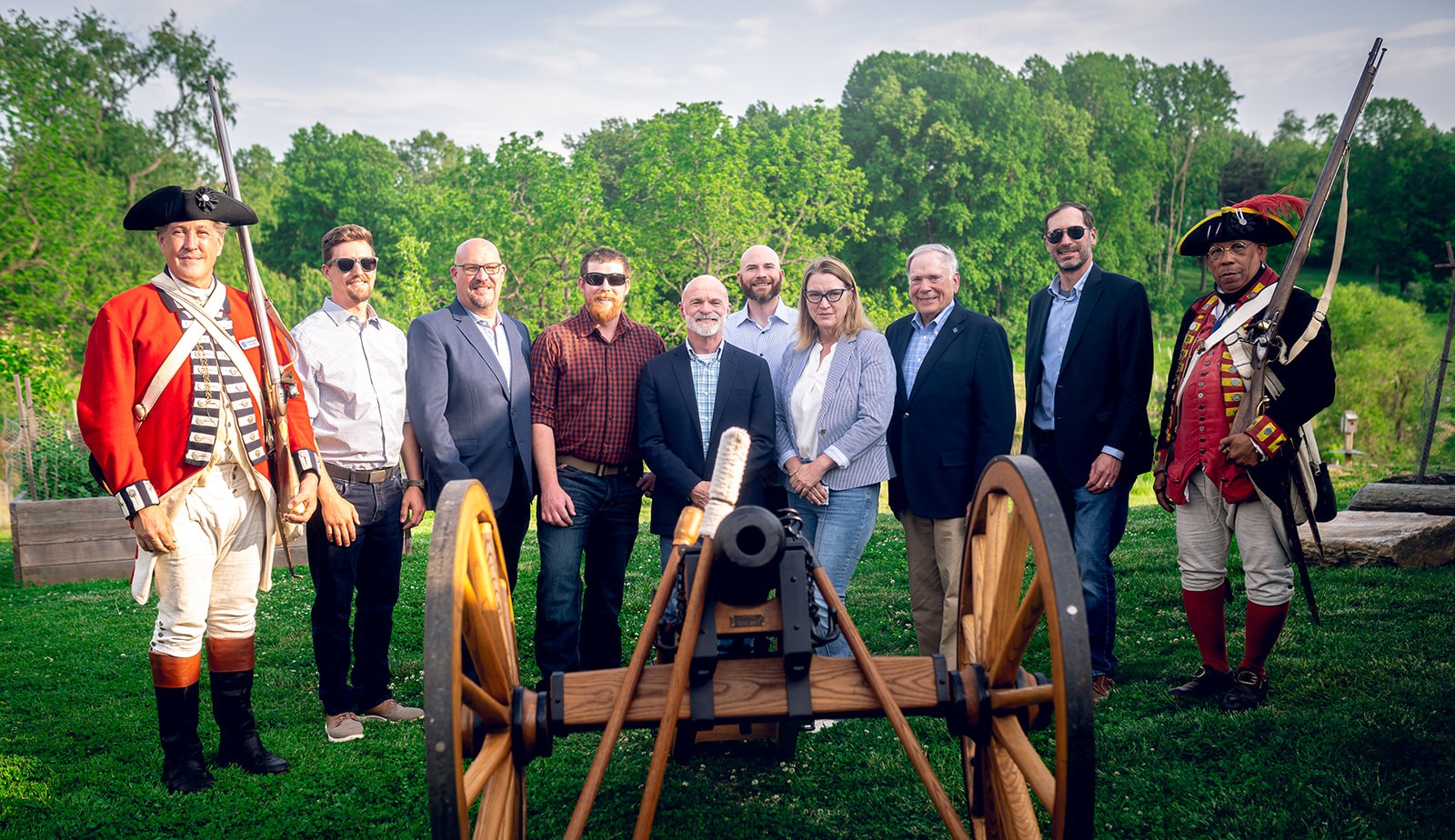
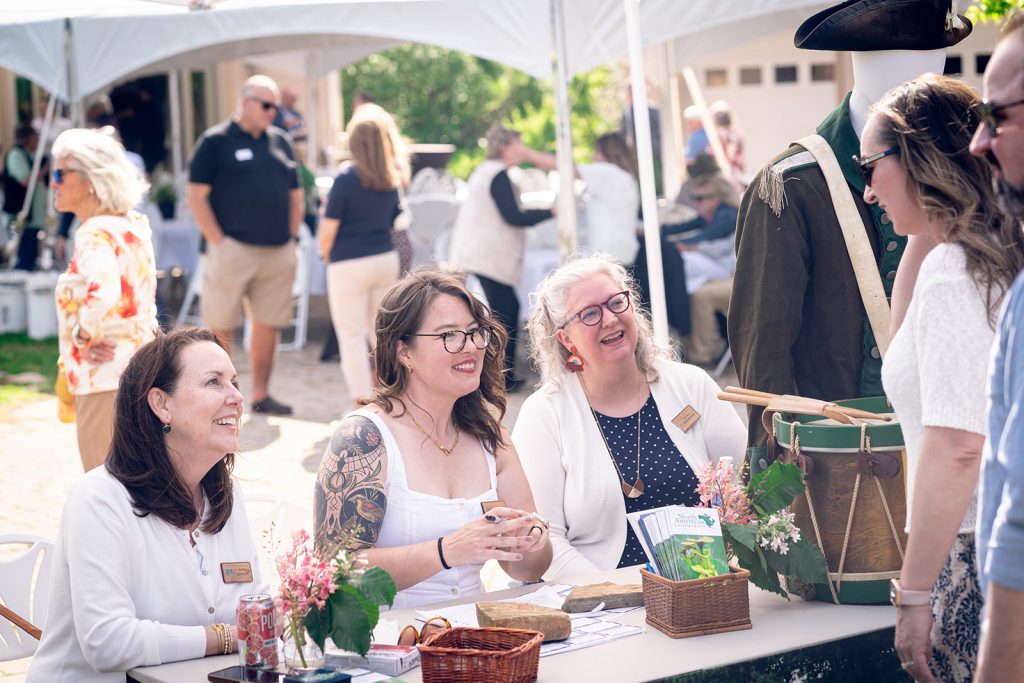
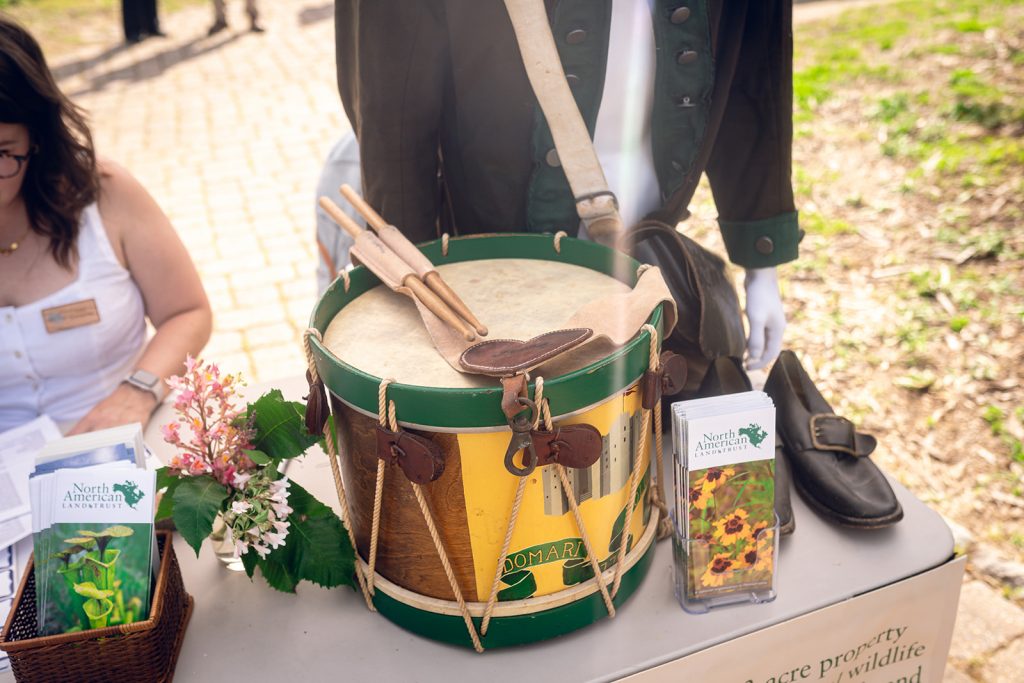
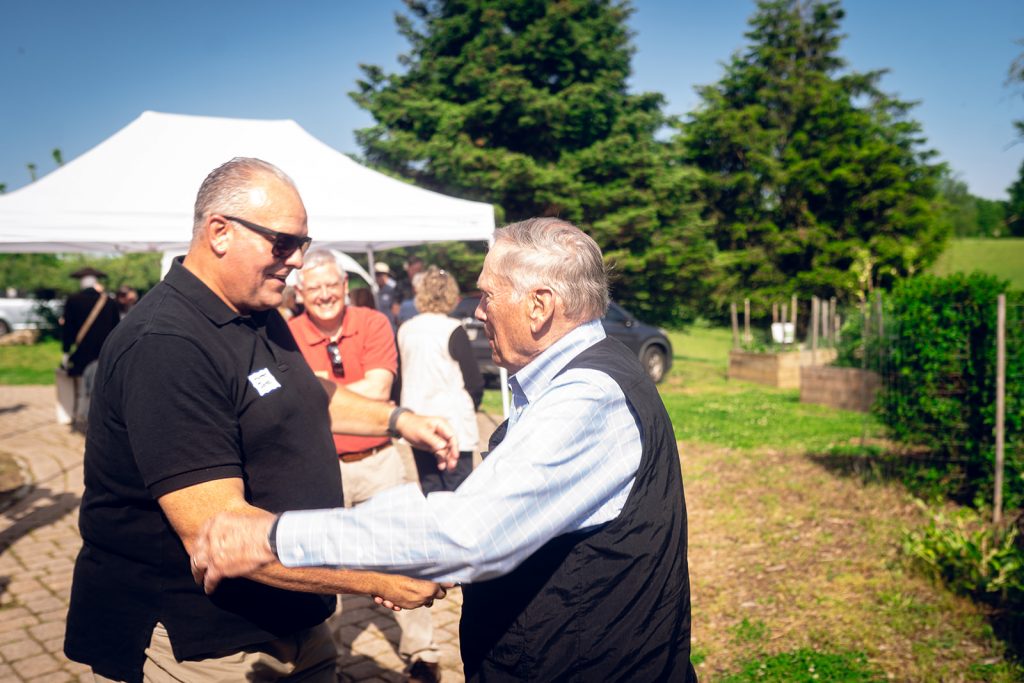
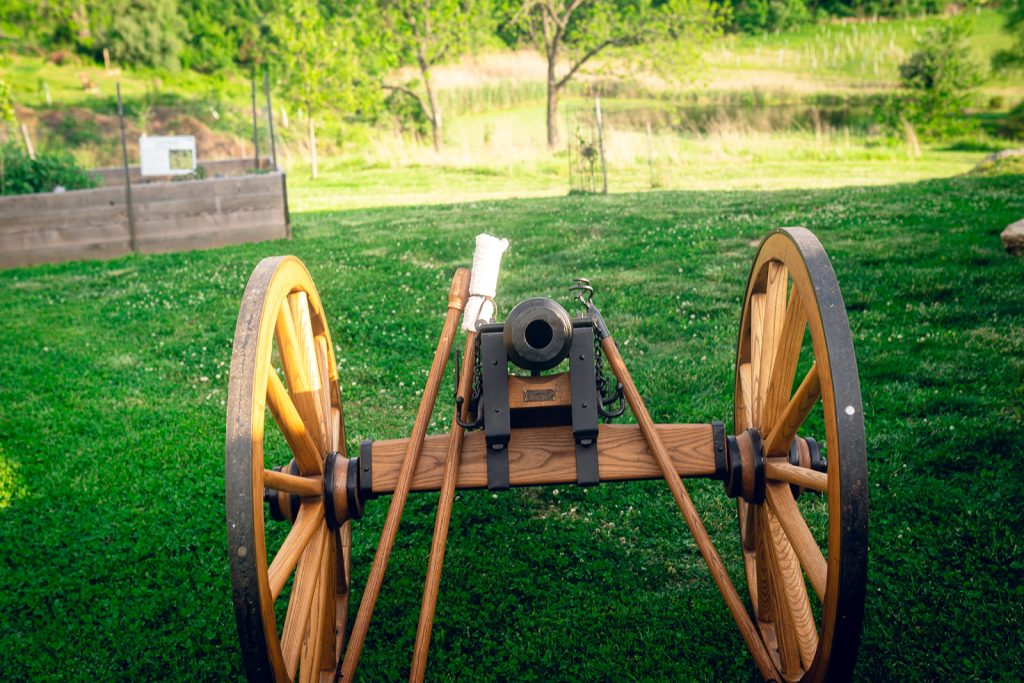
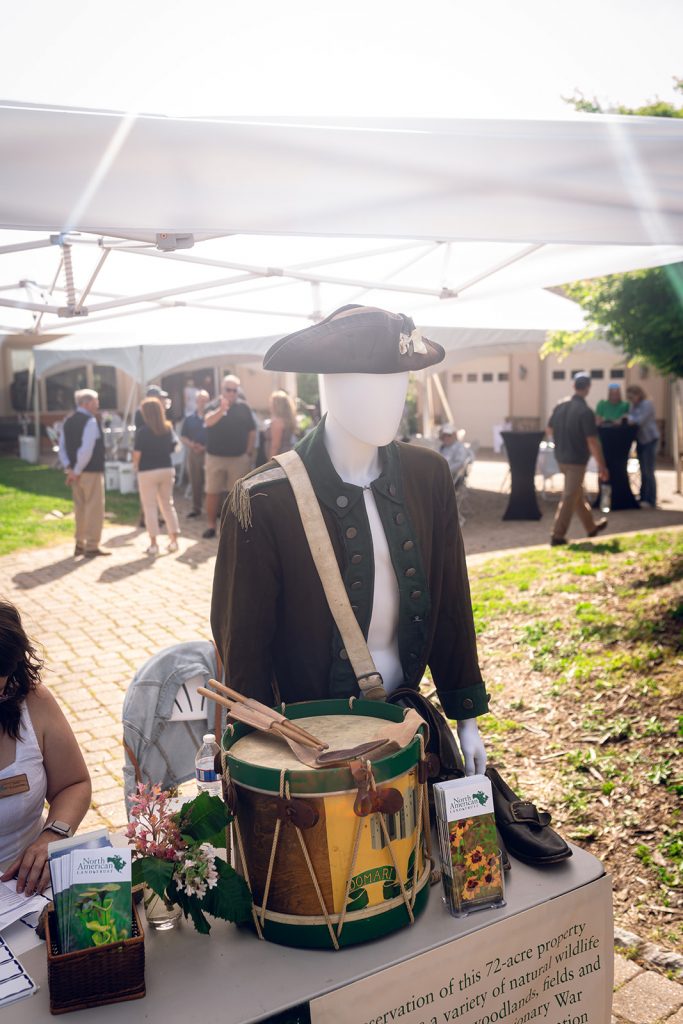
On an unseasonably warm but breezy afternoon on May 16th at Brinton Run Preserve, North American Land Trust (NALT) held an event commemorating the gift of a handcrafted replica Verbruggen revolutionary war cannon and celebrating the United States of America’s 250th anniversary. Guests were warmly greeted by members of NALT’s staff, where a replica 1st Continental Regiment of Foot uniform and drum were prominently on display. Drinks and hors d’oeuvres were provided in the Baldino Family History and Nature Center, and guests were encouraged to mingle and meander throughout the heritage garden and nature trails in anticipation of the guest speakers and the evening’s entertainment.


President of North American Land Trust, Steven Carter, started off the evening by welcoming everyone to the event, highlighting the historical importance of the land that encompasses Brinton Run Preserve, the partnerships it helped to forge, and the efforts of all those who worked together to make the Preserve possible.
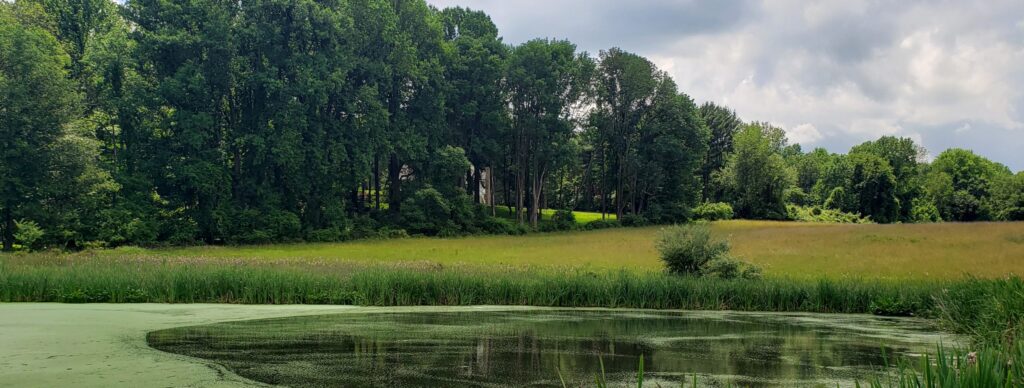
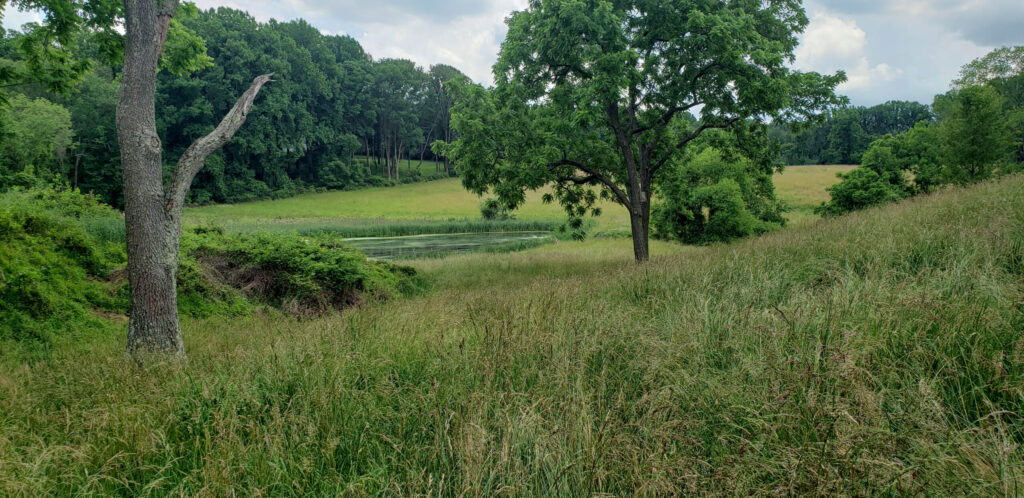
He discussed the importance of preserving this land, in part, for its historical significance. “The Battle of the Brandywine unfolded across this landscape” he said, gesturing to the loping hills gently falling and rising behind him, “and Brinton Run Preserve sits on ground that saw some of the final movements of that battle.”
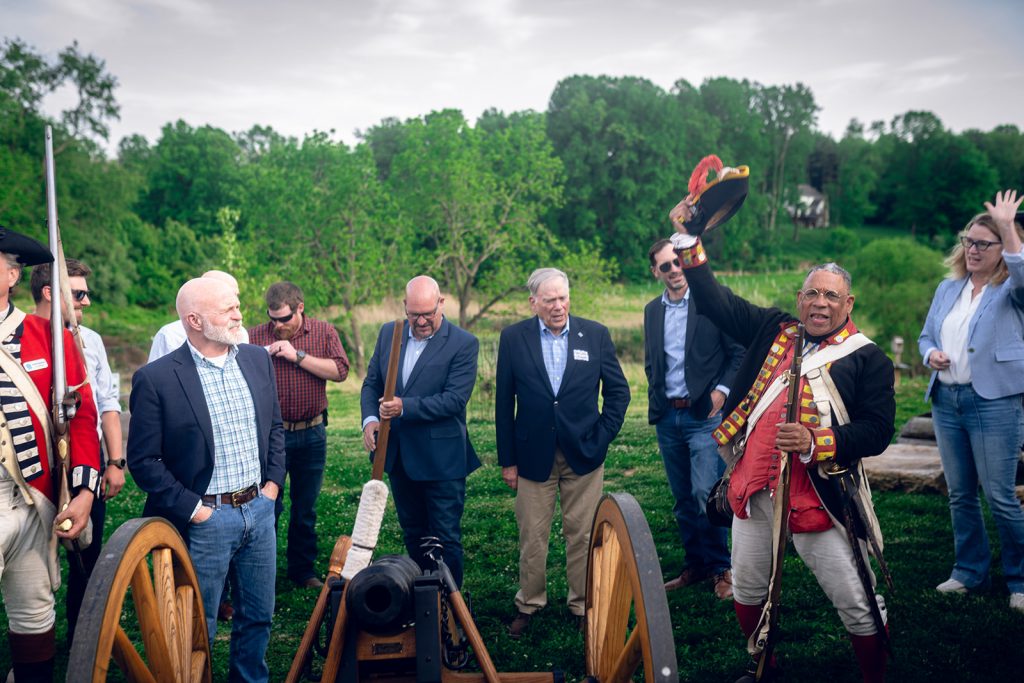
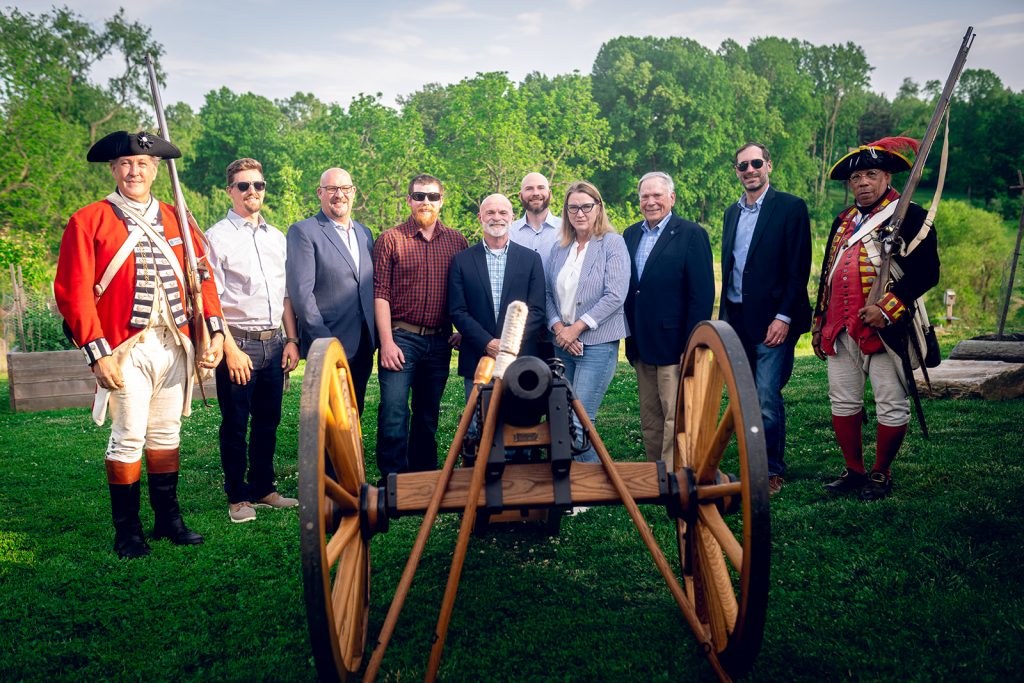
Mr. Carter went on to discuss the value of connecting with that history through the land, and that connection with the land can bring people together. One way NALT plans to continue making connections is through the replica Verbruggen revolutionary war cannon, gifted to NALT by Mitigation Resources of North America. Through interpretation and short demonstrations of how the cannon would have been used during the battle, visitors to Brinton Run Preserve have been able to have a deeper understanding of the history of this land.
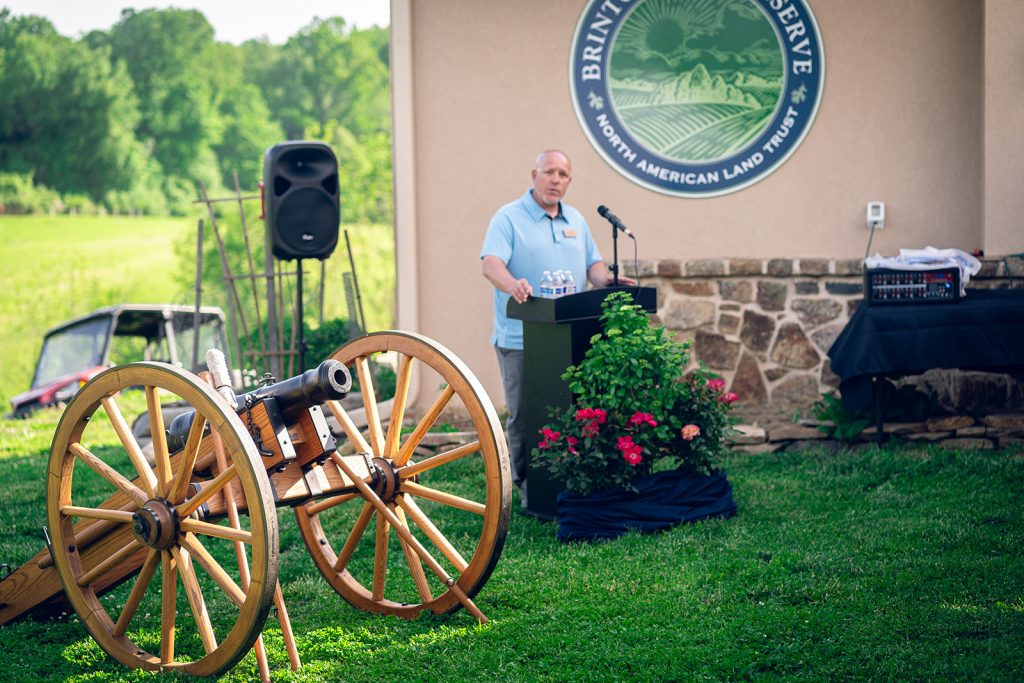
Following Steven Carter was military historian and author of The Pennsylvania Associators, 1747-1777, Joseph A. Seymour.
Mr. Seymour shared with the assembly how his desire for a deeper understanding of history was born not far from where Brinton Run Preserve now stands, when his grade school history teacher at General Wayne Elementary set his class the task of writing a thoroughly researched essay about a well-known person from American History.
He recounted the feeling of disappointment at missing out on the “easier” people to write about like Benjamin Franklin and George Washington and instead receiving the name of Anthony Wayne, a Founding Father of the United States of America, and Major General in the Revolutionary War. The powerful impact of not only connecting to history but that which a teacher can have upon their students’ lives was an additional and warmly welcomed theme in Mr. Seymour’s engaging and illuminating speech.
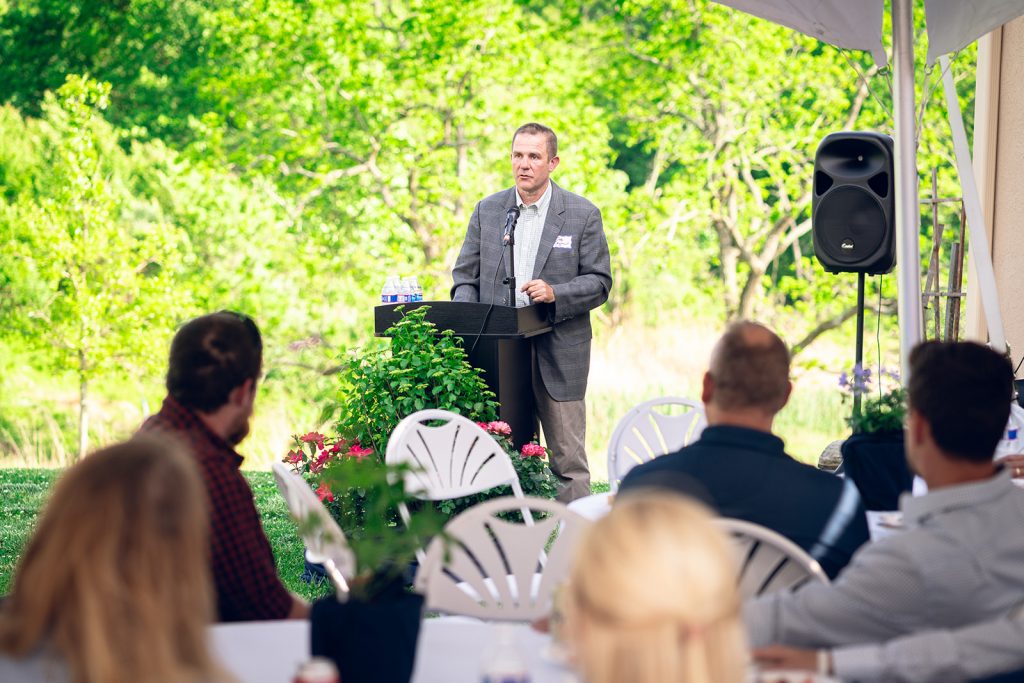
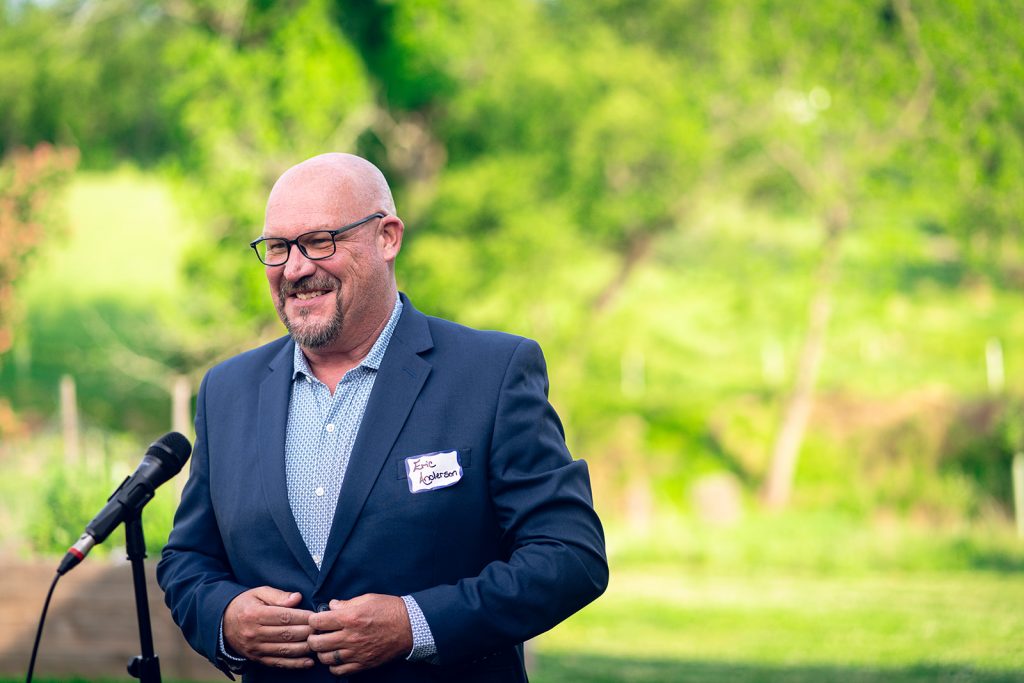
Dr. Eric Anderson, President of Mitigation Resources of North America, was next to the podium and spoke to the crowd of the outstanding partnership that has been forged between North American Land Trust and Mitigation Resources of North America, as well as providing further reflections on America’s 250th anniversary.
“As we mark America’s 250th anniversary at Brinton Run Preserve, we are reminded that this ground represents more than a moment in history – it represents the endurance of an idea that shaped this nation,” said Mr. Anderson. “The dedication of this cannon honors those who stood here before us and helps ensure their stories continue to be shared with future generations. Our partnership with North American Land Trust reflects a shared commitment to preserving not only the land itself, but also the history and legacy connected to it. It’s a privilege to support an effort that connects conservation, education and national heritage in a way that brings this history to life.”
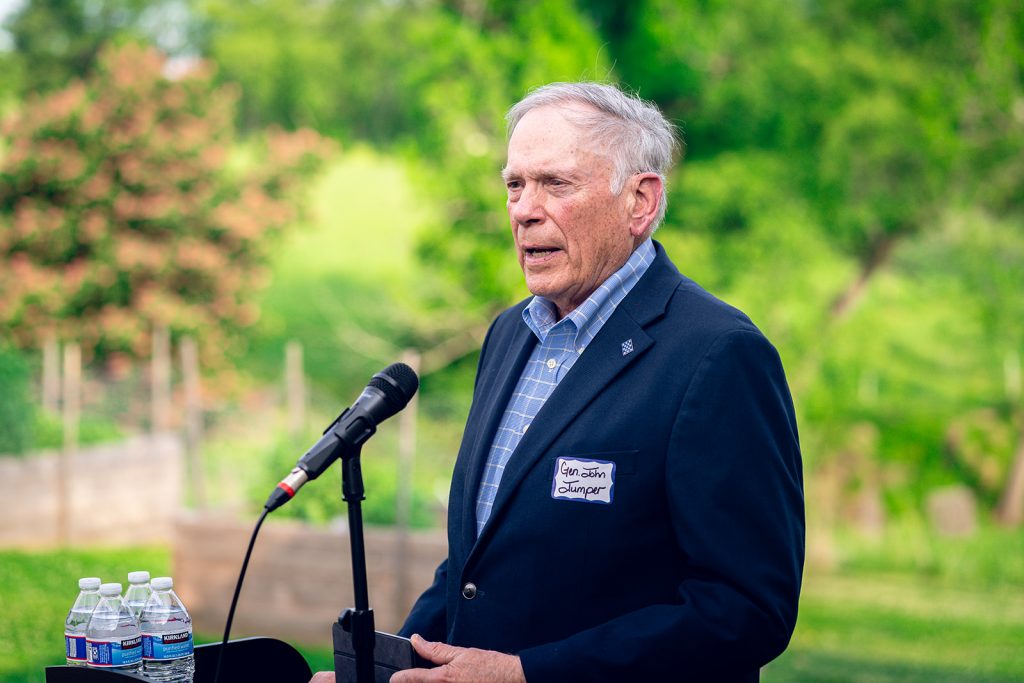
Bringing history to life, the importance of remembering, connections, and a commitment to preservation were themes that continued in the keynote speaker’s address, General John P. Jumper.
General Jumper regaled attendees with various vignettes from his life and his time serving as Chief of Staff of the United States Air Force, a position which he began just five days prior to the 9/11 attacks. He then told the audience of a time when he connected deeply with a retired Revolutionary War soldier, Benjamin Warner, while General Jumper toured the museum at Fort Ticonderoga in New York.
The museum holds Warner’s knapsack, which is believed to be one of six (or less) that have survived from that era, and a note Benjamin Warner wrote to his son on March 27, 1837. The note reads: “This knapsack I carried through the war of the Revolution to achieve the American Independence. I transmit it to my oldest son, Benjamin Warner, Jr., with directions to keep it and transmit it to his oldest son and so to the latest posterity and whilst one shred of it shall remain never surrender your liberties to a foreign invader or an aspiring Demagog.” General Jumper explained how the message of that letter has stayed with him over the years.
He ended his speech by reflecting on the sacrifices so many of those who had come before us had given in aid of freedom and democracy and how by looking back, but also inward, we can continue to do our duty to create a future “worthy of those who gave themselves for the good of all others”.
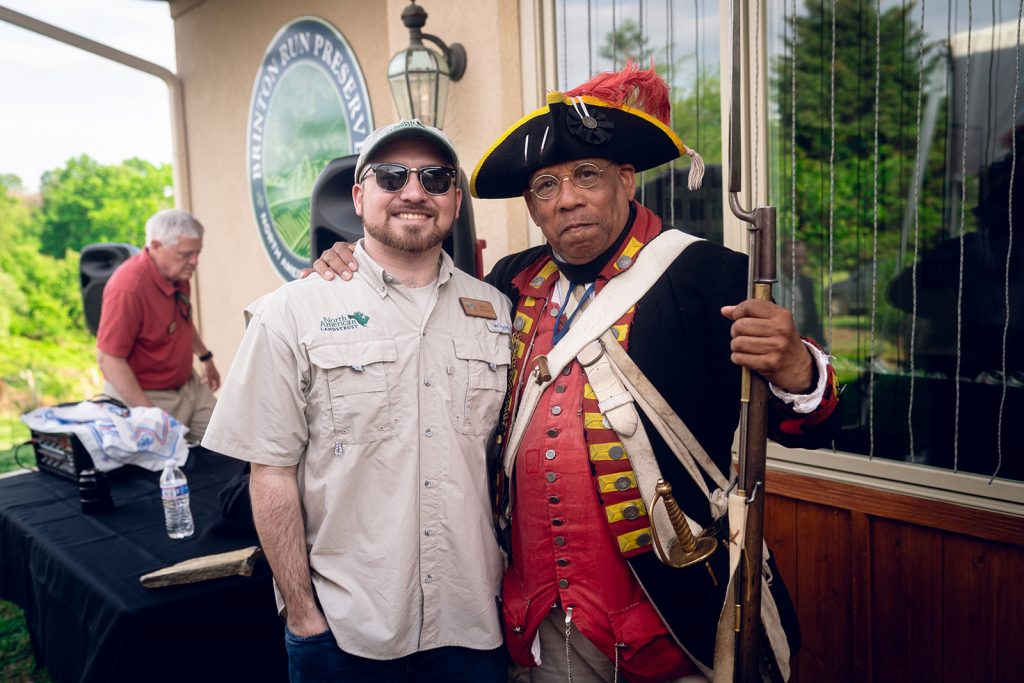
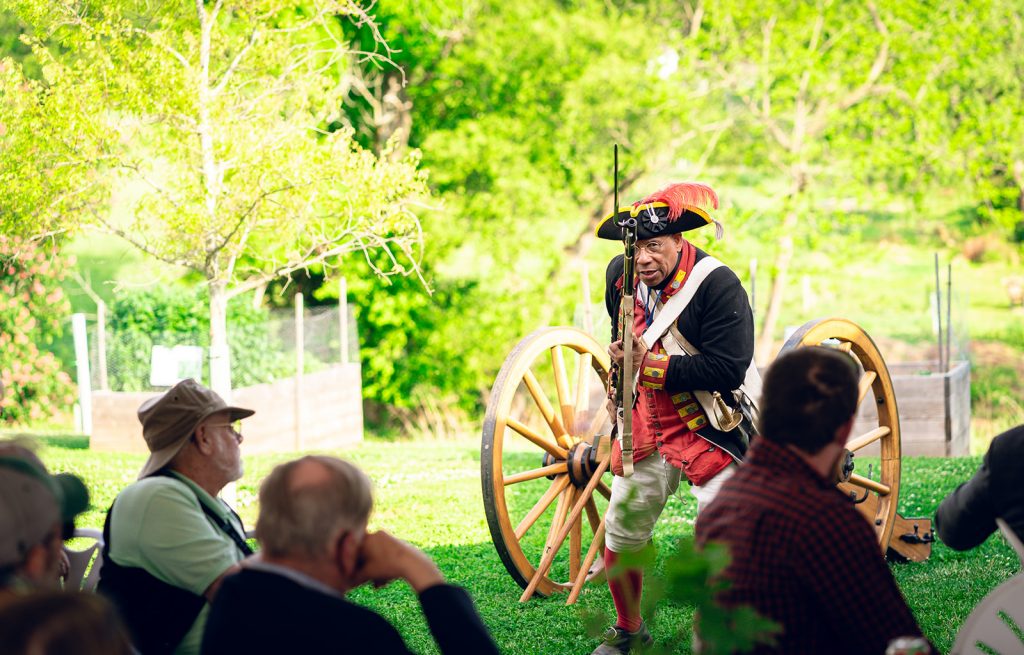
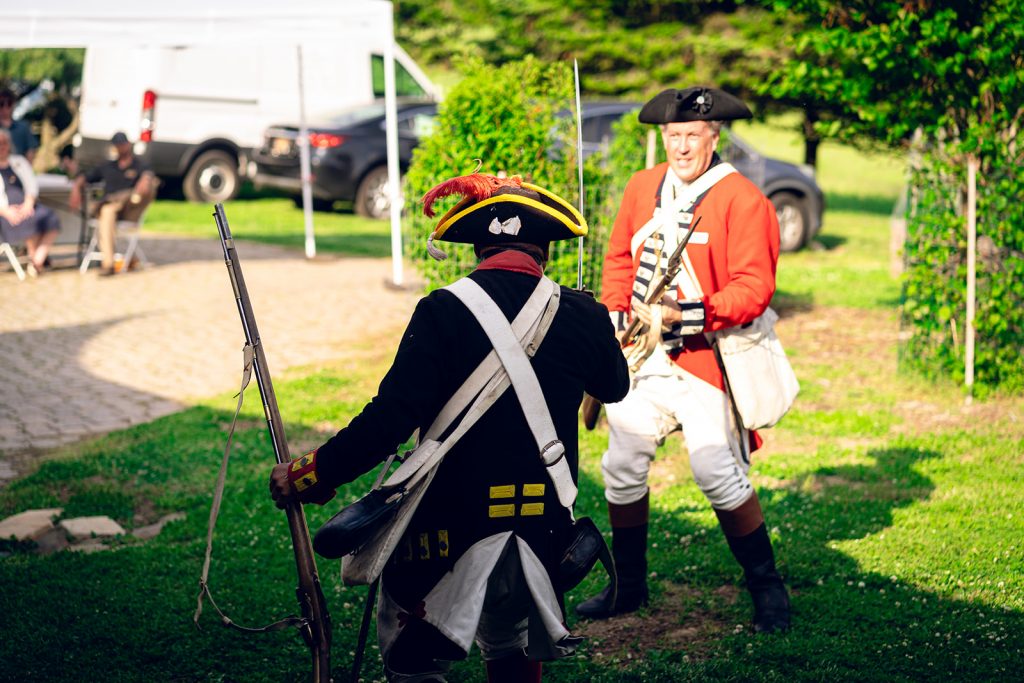
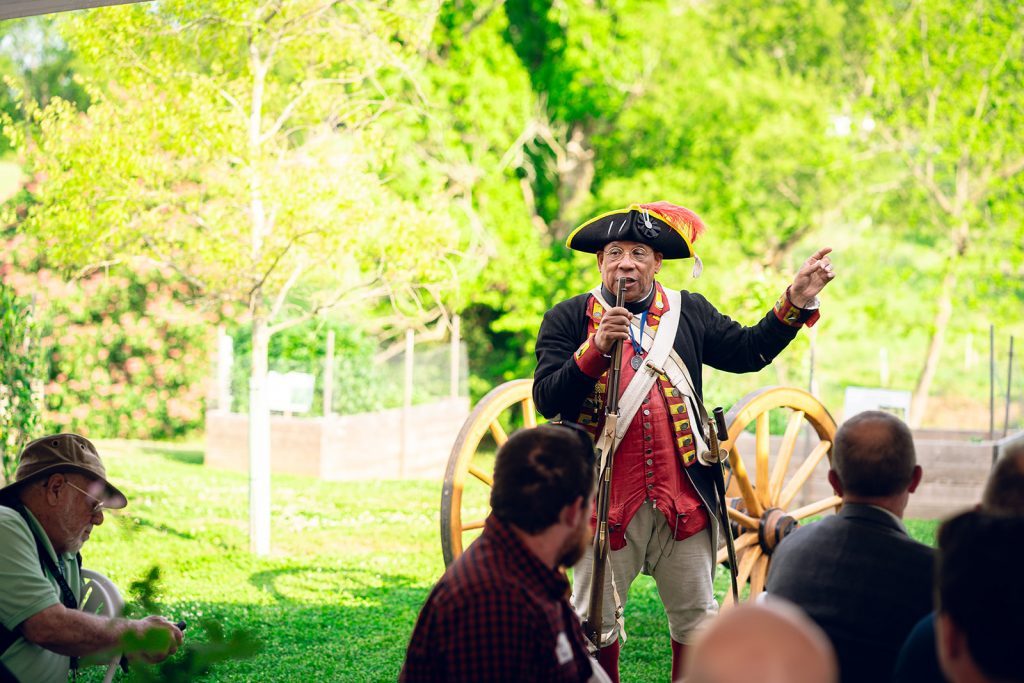
While the audience’s thoughts undoubtedly were remembering the fallen and ruminating on the future, the sound of a kerfuffle floated toward them from behind the Baldino Family History and Nature Center. The sound was shortly followed by the appearance of none other than Randall Spackman and Noah Lewis portraying British loyalist and African American Revolutionary War Soldier, Edward “Ned” Hector, respectively.
After a brief skirmish between them with Ned coming out the victor, Ned addressed the crowd and told them of how crucial he was, and how crucial his people were, to the success of this great nation. Three to five thousand soldiers in the Revolutionary War were African American, and their involvement, sacrifices, and histories have been largely forgotten or ignored over time, which Mr. Lewis, through his portrayal of Ned, works to ensure does not continue to happen. It was a stirring, timely reminder of how, by all of us working together, regardless of background, race, party or any other “factor” used to divide us, we can achieve the greatest outcomes.
As the shadows grew longer, the pinks, oranges, reds, and blues slowly began to make their way across the sky, the guests began to mingle once more, seeking out the speakers and reenactors to show their appreciation, and maybe grab a selfie or two.
“The event was a wonderful reflection of what makes this work so rewarding,” Mr. Carter offered.
“We had an incredible turnout, inspiring remarks from General John P. Jumper and Joe Seymour, and a chance to bring history to life in a way that people of all ages could experience and enjoy. The dedication of the cannon, an extraordinarily generous gift from our friends at Mitigation Resources of North America, made the day even more meaningful. Moments like this remind us that conservation is not just about protecting land, but also about preserving the stories connected to it and creating opportunities for people to experience those stories firsthand.”
Mr. Carter’s reflections on the event sum up the pervasive feelings throughout the tent as the evening came to a close; feelings of togetherness, reflection, comradery, but above all, hope. Hope for the future of those present, for the future of preservation and conservation, and for the future of this great nation.
authored by Laura Sylvester